
Minesweeper: How the Grid, Risk, and Rounds Work
Minesweeper is a grid-based game listing; before participating, verify how its current version reveals tiles, ends a round, and displays its costs. A Minesweeper Demo, if the official lobby offers one, can familiarize you with controls but cannot forecast paid outcomes.
Other card games to compare with Minesweeper
These are separate niceph21 lobby listings, not detail-page links or claims about identical rules. Open a listing to check its own information.
What should you know before trying Minesweeper?
Start with the current rules and the amount at risk: the title alone does not confirm a board layout, mine count, payout, demo mode, or a winning method. Read the in-game help and check every cost and end condition before you decide whether to continue.
Minesweeper is easiest to approach as a sequence of deliberate choices rather than a prediction puzzle. A revealed tile, a counter, or an animation describes what has happened in that round; it does not guarantee what the next selection will show. Pause whenever the interface leaves an important rule unclear.
Visitors searching for niceph21 Minesweeper should confirm that the listing name and artwork match the intended game, then consult the live information panel. Availability and specific controls can vary by version, device, or current lobby configuration, so do not rely on an old screenshot or an explanation from an unrelated title.
A Minesweeper Demo is useful only if an official practice option is actually shown. Practice can help identify the board, buttons, and order of actions; it does not establish the odds or reproduce the financial conditions of a paid session. If no practice option is visible, do not assume that a third-party download or an unfamiliar login page provides one.
Check eligibility and local requirements before using any gaming service. Decide on a small entertainment budget and a time limit in advance, use neither borrowed money nor essential funds, and stop when either limit is reached. No strategy removes uncertainty or guarantees income.
For site-wide listing context, visit the Niceph21 Casino guide. It is a regular site page, not a game launch shortcut.
How can you read a Minesweeper board and its images?
Use the active game screen and its instructions to learn what each visible tile and control means; the local artwork below identifies the listing, not a verified screenshot of gameplay. Confirm the board state and action labels in the live interface before touching a control.
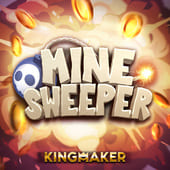
When the game opens, first locate its rules or help control. Check how a round begins, whether a selection is confirmed immediately, how the result is displayed, and what action ends the round. If the interface includes a tile counter or a risk indicator, read the on-screen explanation rather than inferring its meaning from a familiar version of Minesweeper.
On a phone, make sure the board is fully visible and that each target is large enough to tap accurately. Do not tap repeatedly while a page is loading; wait for a clear confirmation before taking another action. If a tile appears selected but the status is uncertain, pause and seek verified support instead of testing the same action again.
The words Minesweeper Demo can describe what someone is looking for, but search wording is not evidence that a demo exists. If a free-play mode is offered by the official lobby, use it for interface familiarization only. A trial does not guarantee the next result or prove that paid play has the same terms.
Artwork, badges, or a streak display should not be treated as a source of odds. A past sequence cannot tell you which tile is safe next. Keep the distinction clear between a visual aid that helps identify the game and the explicit rules that explain how the current round is operated.
How should you interpret Minesweeper return information?
RTP is a theoretical long-run measure when a game publishes one; it is not a prediction of a single Minesweeper round or a promise that a particular session will return a stated amount. Verify whether a figure applies to the exact game version and conditions shown before using it for comparison.
Return to player, commonly shortened to RTP, describes a theoretical proportion of wagers returned over a very large number of plays under stated assumptions. It cannot tell an individual player when a particular outcome will occur. A short session can differ substantially from a long-run theoretical figure, and a number without a source, version, or applicable settings is not enough to evaluate a game.
For Minesweeper, look for published information in the live help, game rules, or clearly identified product disclosures. Check the date and context, along with any mode, feature, or configuration to which a value applies. If the interface does not show a verified figure, treat it as unknown rather than borrowing a percentage from another game or from an unofficial page.
RTP is also not the same as the chance of a particular tile being safe, the probability of reaching a chosen stage, or the chance of finishing a round with a profit. Those are separate questions that depend on the actual mechanics and rules. Do not infer a probability from artwork, a demo streak, a previous result, or a promotional claim.
To compare options responsibly, consider the clarity of the rules, stake range, pace, and whether you can set and keep a spending limit. The Niceph21 Rtp guide provides broader context for reading return information; any current Minesweeper terms still need to be checked against its own official game display.
RTP analysis cannot turn a chance-based game into a reliable income plan. If a claim presents a guaranteed return, a secret pattern, or pressure to raise your stake, treat it as a warning sign. Only participate if you understand the stated terms and can afford to lose the full entertainment amount you set aside.
Which Minesweeper terms help explain a round?
Before acting, make sure you understand the meaning of the controls and terms in the current version; never assume that identical labels work the same way across different games. Use the in-game help whenever a word, indicator, or settlement detail is unfamiliar.
Grid and tile
A grid is the arrangement of selectable positions on the game screen. A tile is one position within that arrangement. The visual shape of a board can make a game recognizable, but it does not by itself explain which outcomes or costs are attached to a tile.
Round and selection
A round is one complete attempt as defined by the game's rules. A selection is an input made during that attempt. Check whether the game accepts a selection instantly, asks for confirmation, or provides a separate way to end the round. Follow the current on-screen instructions rather than guessing from muscle memory.
Stake and limit
A stake is the amount assigned to a round or action, as stated by the interface. A personal limit is the maximum time or entertainment spending you choose before you start. Keep the limit independent of any result: a win does not require another round, and a loss is not a reason to raise the next stake.
Demo and live mode
A demo, when officially available, is a practice environment for learning controls. It is not a forecast, a guarantee of free access, or proof of how a paid round will behave. A live or paid mode has its own terms and costs, which should be visible and understood before participation.
Knowing these words helps you ask precise questions, but it cannot fill in missing game rules. If a control or cost is ambiguous, leave the screen until you can verify the information. For a category contrast, Sabong is a separate listing with different presentation and rules; never carry assumptions from one title into another.
If you search for niceph21 app download apk, check the official site instructions and source before installing anything. Avoid files sent through unsolicited messages, unexpected permissions, or pages that ask for a password or one-time code outside a verified account flow. A legitimate access route should not require you to ignore device security warnings.
For niceph21 login, use the normal site or app entry point and verify the spelling of the domain. Keep credentials private, do not share OTP codes, and stop if an unexpected page requests information that does not fit the stated sign-in process. Access security is separate from game rules but just as important to a safe visit.
What is a careful Minesweeper round sequence?
A measured approach is: verify the listing, read the instructions, confirm the cost, make one deliberate choice, and review the displayed result before deciding what to do next. If any step is unclear, pause rather than continuing on assumption.
- Verify the game: Confirm the name and listing artwork, then make sure you have opened the intended title.
- Read the rules: Find the current explanation of the board, tile actions, round end, and settlement. Do not assume a remembered version is identical.
- Confirm the amount: Check the displayed stake and any optional feature cost. Make sure the total fits the limit you chose before opening the game.
- Check your screen: Confirm that the board, labels, and controls are readable and tappable on your device. Wait for the interface to respond before another input.
- Decide deliberately: Make a choice only when you understand its stated effect. A previous result or apparent pattern cannot guarantee the next one.
- Review and stop: Read the round outcome, check your remaining time and budget, and stop at either boundary.
A Minesweeper Demo can help you learn where controls appear if the official version explicitly offers one, but do not use practice results to set expectations for paid play. A demo is not proof of a safe tile sequence, an RTP figure, or future success. If the game does not clearly identify a practice mode, treat its availability as unconfirmed.
When a round is interrupted, avoid repeated inputs that could create an unintended second action. Note what the interface shows, preserve any relevant transaction details, and contact support through a verified channel. Do not share passwords or one-time security codes with anyone claiming they can recover a result.
Set a time reminder and a fixed budget before starting. Do not borrow to play, chase a loss, or increase a stake to recover money. If participation becomes stressful or affects your responsibilities, stop and use available account limits or support options.
Responsible play means treating a game as entertainment with a cost, not as a source of dependable earnings. Only adults who meet the applicable local requirements should consider participation. Take breaks, keep essential spending separate, and ask a trusted person for help if you find it difficult to stop.